
Car Video Recorders (Dashcams)
18 results
Car Video Recorders (Dashcams)
18 results
Dashcams and in-car video recorders for personal and commercial fleet use: single-channel forward dashcams, dual-channel forward and rear or cabin recorders, three-channel taxi setups, and cloud-connected fleet dashcams with telematics. The selection includes parking-mode versions, GPS-equipped models and the high-endurance memory cards that continuous-record dashcams need to last in service.
Loading...

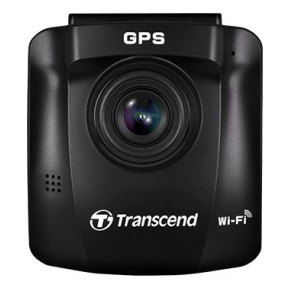

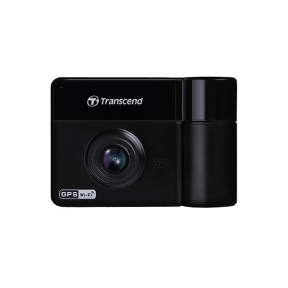

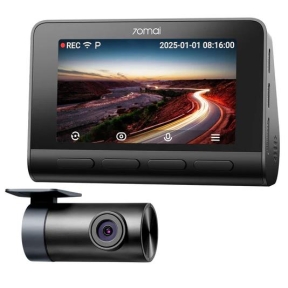

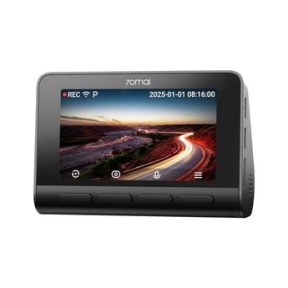

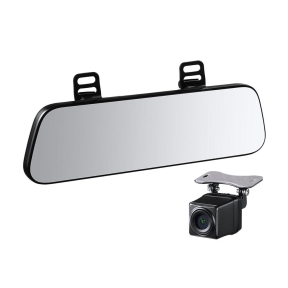

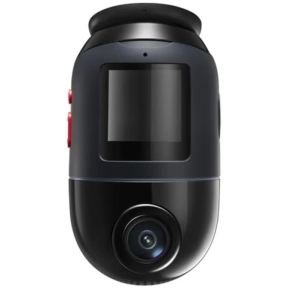

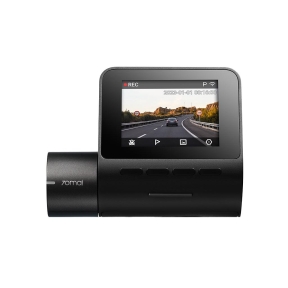

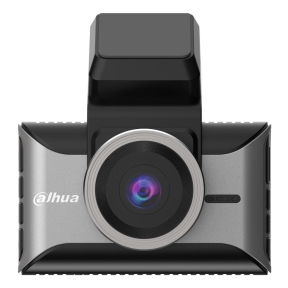

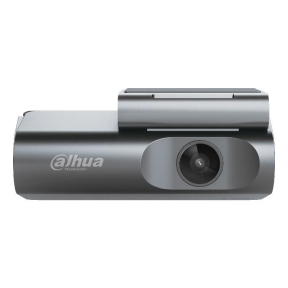

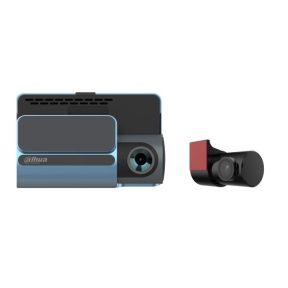

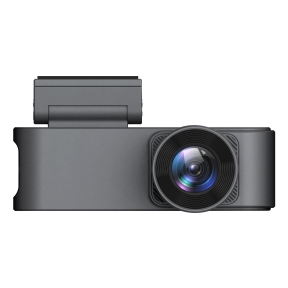

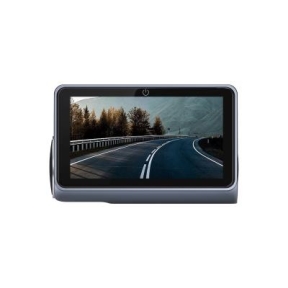
Dashcams and in-car video recorders for personal and fleet vehicles
A dashcam pays for itself the first time a driver is rear-ended at a junction or wrongly accused after a minor incident. For commercial fleets it does more than that: insurance reductions, evidence after accidents, driver coaching from real footage and a deterrent against fraudulent claims. The category covers everything from a 100-euro single-channel dashcam to fleet-wide cloud-connected systems.
What this category covers
Single-channel forward dashcams; dual-channel dashcams with forward plus rear or forward plus cabin recording; three-channel taxi and ride-share setups; OEM-style integrated dashcams that replace the factory mirror; cloud-connected fleet dashcams with telematics; and the high-endurance memory cards, hard-wire kits and rear-view cameras that go with them.
How to choose a dashcam
Decide on channel count
Single-channel forward is the entry level: enough for most insurance and incident-recording use. Dual-channel forward-plus-rear adds protection for rear-end collisions and is the modern fleet standard. Forward-plus-cabin is required for taxis and ride-share where the inside of the vehicle needs to be on record. Three-channel covers all three.
Pick the resolution
1080p Full HD is the sensible minimum; the footage is detailed enough to read number plates at moderate distance. 1440p (Quad HD) and 2160p (4K) capture more detail at the cost of larger files and faster card wear. For typical incident recording, 1440p is the modern sweet spot.
Confirm parking mode and power
Parking mode keeps the dashcam recording when the vehicle is parked, triggered by motion or impact. It needs hard-wired power with a battery-protection kit; cigarette-lighter installs lose power when the engine is off. For fleet vehicles parked overnight in public spaces, parking mode is worth the extra install cost.
Match memory card endurance to use
Continuous loop recording is hard on memory cards. Standard SD cards last weeks to months in a dashcam; high-endurance dashcam-specific cards (SanDisk High Endurance, Samsung PRO Endurance, Lexar High Endurance) last 1 to 3 years in the same role. Specify the right card alongside the dashcam.
Key features to compare
GPS and metadata
GPS-equipped dashcams record location and speed alongside the video, useful for incident reports and fleet management. Most dashcams above the entry level include GPS as standard.
Cloud connectivity
Fleet dashcams with 4G or LTE connectivity stream footage and metadata to a cloud platform, enabling remote review and instant incident upload. Useful at fleet scale; overkill for a single personal vehicle.
Wide dynamic range and night performance
WDR (wide dynamic range) handles the bright-and-dark mix common at night and at tunnel exits. Specifically marketed night-mode dashcams use larger sensors for better low-light performance.
What to check before buying
- Single-channel, dual-channel or three-channel install?
- Resolution adequate for the use (1080p, 1440p or 4K)?
- Parking mode required, with hard-wired power install?
- GPS metadata needed for fleet management or insurance?
- High-endurance memory card alongside the dashcam?
Frequently asked questions
How long does dashcam footage stay on the card?
Until the card fills, then loop recording overwrites the oldest footage first. A 64 GB card at 1080p typically holds 8 to 12 hours of continuous footage; at 4K, 3 to 5 hours. Manual saves and impact-triggered events are protected from overwriting.
Are dashcams legal everywhere?
In most countries, yes for the driver's own vehicle, with caveats. Some countries restrict windscreen-mounted devices or require the cabin recording to be disabled when passengers do not consent. Check local rules, especially for international fleet operations.
Will a dashcam drain my car battery?
With the engine running, no. With parking mode active and the engine off, yes, if the install does not include a battery-protection kit. Properly wired parking-mode dashcams stop recording when the battery drops below a safe threshold.
Do I need a separate rear-view camera, or is a dual-channel dashcam enough?
A dual-channel dashcam's rear camera is small and mounted on the rear window, recording the road behind. A reversing camera is a separate device that displays on the head unit when the car is in reverse. They serve different jobs; a dashcam's rear channel does not replace a reversing camera.
Can dashcams use Wi-Fi instead of cables?
Most dashcams include Wi-Fi for app-based footage transfer to a phone. Wi-Fi is for review and download, not for primary recording, which still happens to the local memory card. A dashcam with cloud upload uses 4G or LTE rather than Wi-Fi for live transmission.