
Power Stations
17 results
Power Stations
17 results
Browse power stations suitable for hospitality buyers, retailers and home users, covering products from established manufacturers across a range of price tiers. The category covers portable battery power stations from 200 Wh to 3000+ Wh capacity for camping, mobile work, off-grid sites, and emergency home backup, plus matching solar panels for off-grid recharging. Match capacity (Wh) to total daily load and recharging interval.
Loading...

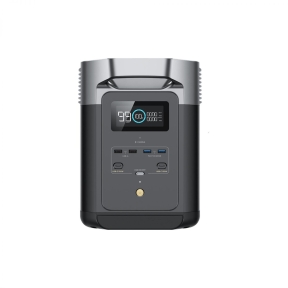

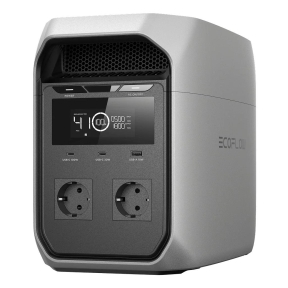

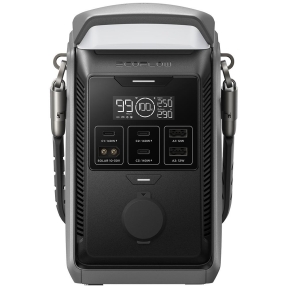

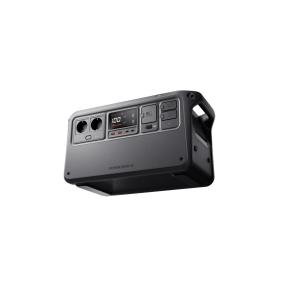

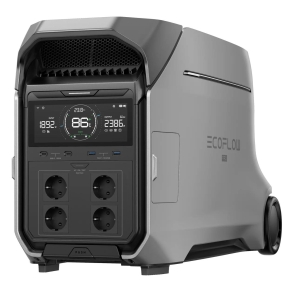

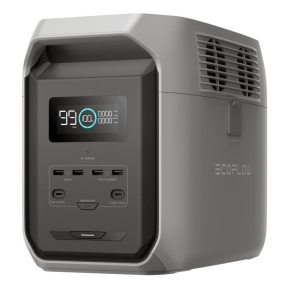

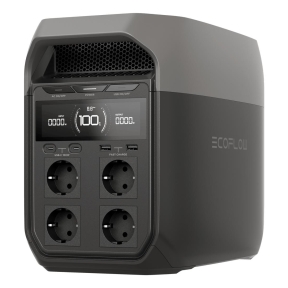

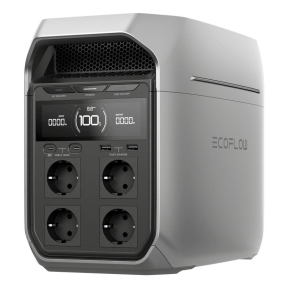

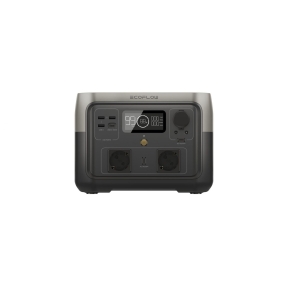

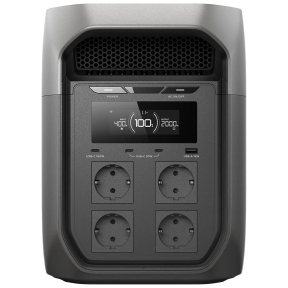

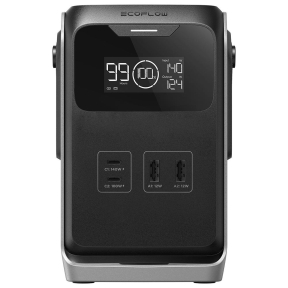

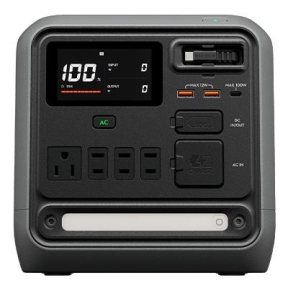
Power Stations for hospitality buyers, retailers and home users
Power Stations cover a range of products in this category. Mobile workers and field service teams use mid-size stations; outdoor professionals (photography, drone operations) for site power; homeowners as emergency backup; campers and overlanders for recreational use. The category serves hospitality buyers, retailers and home users who need consistent supply, predictable warranties, and established brand recognition for resale or installation.
Product range and brands
The category covers portable battery power stations from 200 Wh to 3000+ Wh capacity for camping, mobile work, off-grid sites, and emergency home backup, plus matching solar panels for off-grid recharging. Established consumer and trade brands dominate the category, providing predictable replacement-part availability and manufacturer warranty support that smaller import brands often lack over a multi-year lifespan.
How to choose
Match capacity (Wh) to total daily load and recharging interval. Pure-sine-wave AC output is essential for sensitive electronics. Look for LFP (lithium-iron-phosphate) chemistry rather than NMC for longer cycle life and better safety. Match the specification level to the actual use case rather than over-buying. Mid-tier products from established brands typically offer the best balance of cost, durability, and resale support for B2B buyers.
Use cases and buyer segments
Mobile workers and field service teams use mid-size stations; outdoor professionals (photography, drone operations) for site power; homeowners as emergency backup; campers and overlanders for recreational use. Volume buyers should ask the B2B team for tier pricing and confirmed lead times before placing large orders, especially around seasonal peaks where stock turns quickly.
Frequently asked questions
- How long can a 1 kWh power station run a laptop?
- A typical laptop draws 30 to 60 watts. A 1 kWh (1000 Wh) power station with 85 percent inverter efficiency provides 14 to 28 hours of laptop runtime. Multiple devices share the available capacity proportionally; a phone, laptop, and small light together would draw around 50 to 80 watts continuously.
- Can a power station run a fridge during a power cut?
- Yes for short periods. A typical home fridge averages 50 to 100 watts (cycling), so a 2 kWh station could run a fridge for 18 to 36 hours. For longer outages, pair the station with a solar panel for daytime recharge. Confirm peak surge wattage matches the fridge's startup current.
- Are these power stations airline-compatible?
- Carry-on lithium battery limit is 100 Wh per battery without airline approval; up to 160 Wh with prior approval. Most portable power stations exceed these limits and cannot fly without special arrangements. For travel use, consider smaller power banks; full power stations travel by ground only.
- How long do solar panels take to recharge a power station?
- A 2 kWh station with 200 W of solar panels recharges in 10 to 14 hours of full sun, or 2 to 3 days of average European weather. Match panel wattage to station input limits and expected solar conditions. Direct-sun aiming is critical for maximum recharge speed in field use.