
Wearable Electronics
228 results
Wearable Electronics
228 results
Wearable electronics for personal and business use: smartwatches and fitness trackers from Apple, Samsung, Garmin and other brands, and the bands, chargers and screen protectors that keep them functional. Covers fleet procurement for corporate wellness and field worker productivity use cases alongside individual device selection.

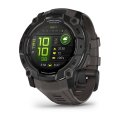

Loading...
Smartwatches and wearable electronics for personal and business use
Wearable electronics have moved from fitness niche to mainstream business tool. Smartwatches reduce phone screen time by surfacing notifications and call controls on the wrist, enable contactless payments, and provide health monitoring data that matters for field worker fatigue management and corporate wellness programmes. This category covers the devices and the accessories that support them.
What this category covers
Smartwatches from Apple (Watch Series and Ultra), Samsung (Galaxy Watch), Garmin and other brands; fitness trackers for health and activity monitoring; and wearable accessories including replacement bands, charging cables and docks, screen protectors, and cases for rugged use.
Who this category is for
Individual buyers choosing a smartwatch for personal or professional use; IT procurement teams specifying wearables for corporate wellness, field service or lone worker safety programmes; and facilities teams equipping shift workers with wearables for productivity and wellbeing tracking.
Sub-categories overview
Smartwatches
Feature-complete smartwatches with app support, GPS, NFC payments and health sensors for personal and business productivity use.
Wearable Accessories
Replacement bands, charging docks, screen protectors and protective cases for smartwatch and fitness tracker maintenance and personalisation.
How to choose wearable electronics
OS compatibility first
Apple Watch requires an iPhone. Wear OS watches (Google Pixel Watch, certain Samsung and Fossil models) work best with Android. Samsung Galaxy Watch works with both Android and iPhone, with reduced features on iPhone. Garmin and Fitbit devices work with iOS and Android. For fleet procurement, confirm the watch platform matches the phone fleet OS before specifying.
Health monitoring requirements
Most current smartwatches include heart rate, SpO2 (blood oxygen), sleep tracking and activity counting. Medical-grade features (ECG, fall detection, crash detection, temperature) are available on Apple Watch Series 4 and newer, Samsung Galaxy Watch 4 and newer, and Garmin's health-focused lines. For lone worker and safety applications, fall detection and SOS features are relevant selection criteria.
Battery life for shift work
Apple Watch and Samsung Galaxy Watch need daily or every-other-day charging. Garmin and Amazfit devices typically last 7 to 21 days per charge depending on GPS use. For shift workers where daily charging is inconvenient, longer battery life is a practical requirement, not just a feature.
What to check before buying
- Phone OS compatibility (iPhone, Android)?
- Health features needed: basic activity, ECG, fall detection?
- Battery life requirement for the user's charging routine?
- Ruggedness or IP water rating needed?
- NFC payments supported on the device?
Frequently asked questions
Do smartwatches work without a paired smartphone?
Some smartwatches have standalone cellular (LTE) connectivity and a built-in SIM or eSIM. With cellular, the watch makes calls, streams music and receives notifications independently. Without cellular, the watch still tracks health metrics locally and shows stored data, but notifications, apps and real-time syncing require the paired phone to be nearby. For lone workers or use cases where the phone is stored during a shift, cellular-capable models are worth the premium.
Can smartwatches replace smartphones for business communication?
For quick notifications, short replies and call answering: yes, smartwatches significantly reduce the need to pull out the phone. For longer messages, apps and anything requiring a larger screen: no. Smartwatches complement smartphones by surfacing the 20% of interactions that need a glance, leaving the phone in the pocket for the rest.
Are fitness trackers different from smartwatches?
Fitness trackers are lighter, simpler and focused on health metrics (steps, sleep, heart rate) with minimal notification and app support. Smartwatches add apps, NFC payments, GPS, voice assistants and richer notification management at the cost of higher price and more frequent charging. For users who want health data without smart features, a fitness tracker is lighter and longer-lasting; for users who want wrist notifications and app access, a smartwatch is the right tool.
How do smartwatches handle enterprise MDM?
Apple Watch management is primarily handled through the paired iPhone's MDM policy. Wear OS watches have limited direct MDM support. For full enterprise management, the phone MDM policy typically governs what apps and data sync to the watch. Standalone MDM for watches is not as mature as phone MDM; plan the management approach before large-scale fleet deployment of smartwatches.
What water resistance rating is needed for field use?
IP68 means the device can withstand submersion in up to 1.5 metres of fresh water for 30 minutes. Most current smartwatches carry IP68 or 5ATM (50 metres static water pressure). For outdoor field workers, construction and light industrial: IP68 handles rain, splashes and hand washing. For diving or swimming with the device: look for 5ATM or 10ATM. Salt water and chemicals reduce the effective protection below the rating — rinse after saltwater exposure.