
EV Charging
8 results
EV Charging
8 results
Browse ev charging suitable for hospitality buyers, retailers and home users, covering products from established manufacturers across a range of price tiers. The category covers home AC charging stations (3.7 to 22 kW), workplace and commercial AC chargers, DC fast chargers for fleet and public use, charging cables, and load-management hardware. Match charger power to the EV's onboard charger and the building's electrical supply. Single-phase 7.
Loading...









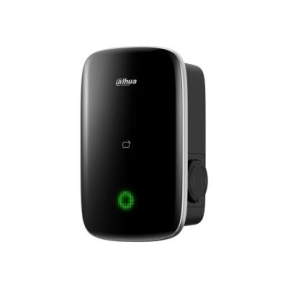

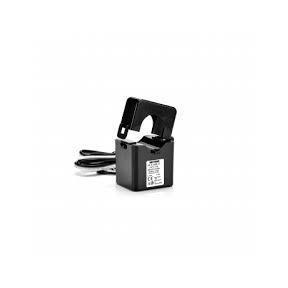
EV Charging for hospitality buyers, retailers and home users
EV Charging cover a range of products in this category. Property managers install workplace charging; fleet operators specify DC fast chargers; homeowners install single-phase wall boxes; building developers integrate charging into new constructions. The category serves hospitality buyers, retailers and home users who need consistent supply, predictable warranties, and established brand recognition for resale or installation.
Product range and brands
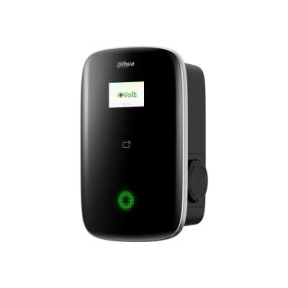
The category covers home AC charging stations (3.7 to 22 kW), workplace and commercial AC chargers, DC fast chargers for fleet and public use, charging cables, and load-management hardware. Established consumer and trade brands dominate the category, providing predictable replacement-part availability and manufacturer warranty support that smaller import brands often lack over a multi-year lifespan.
How to choose
Match charger power to the EV's onboard charger and the building's electrical supply. Single-phase 7.4 kW handles most home use; three-phase 11 to 22 kW suits workplace and commercial. Smart chargers with OCPP support enable fleet management and tariff optimisation. Match the specification level to the actual use case rather than over-buying. Mid-tier products from established brands typically offer the best balance of cost, durability, and resale support for B2B buyers.
Use cases and buyer segments
Property managers install workplace charging; fleet operators specify DC fast chargers; homeowners install single-phase wall boxes; building developers integrate charging into new constructions. Volume buyers should ask the B2B team for tier pricing and confirmed lead times before placing large orders, especially around seasonal peaks where stock turns quickly.
Frequently asked questions
- How fast does a 22 kW charger fill an EV?
- It depends on the EV's onboard AC charger. EVs with 11 kW onboard chargers will charge at 11 kW even on a 22 kW station. EVs with 22 kW onboard chargers (Renault Zoe ZE50, some Teslas) use the full speed. A typical 60 kWh EV adds 70 to 100 km of range per hour at 11 kW.
- Do I need a load balancer with multiple chargers?
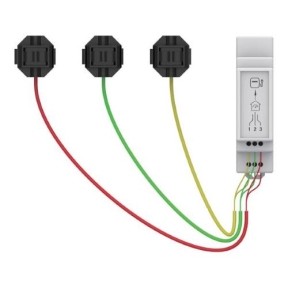
- Yes if the chargers' combined demand exceeds your building's main fuse rating. Load balancing dynamically reduces charger output to stay within the supply limit. For multi-vehicle workplace and apartment-block installs, load balancing is essential to avoid main-fuse trips during peak EV charging windows.
- Are smart chargers worth the premium over basic models?
- For fleet, workplace, and public use, yes. Smart chargers (OCPP 1.6 or 2.0.1 compatible) integrate with charge-point management software for billing, monitoring, and remote control. For single-vehicle home use, basic chargers may suffice if no tariff optimisation or fleet reporting is required.
- Can solar PV charge an EV directly?
- Yes via a solar-aware charger that monitors the home's solar surplus and modulates charge speed to match excess generation. This minimises grid imports and maximises self-consumption value. Modern chargers from Wallbox, Easee, Zaptec and similar brands offer this mode for home owners with solar PV.