
Solar Panels
11 results
Solar Panels
11 results
Browse solar panels suitable for hospitality buyers, retailers and home users, covering products from established manufacturers across a range of price tiers. The category covers monocrystalline solar panels (the dominant modern format) in 350 to 600+ watt ratings, plus polycrystalline, bifacial, and specialty panels for residential, commercial, and off-grid solar PV installations. Match panel wattage to roof space and inverter limits.
Loading...

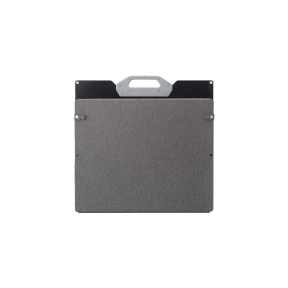


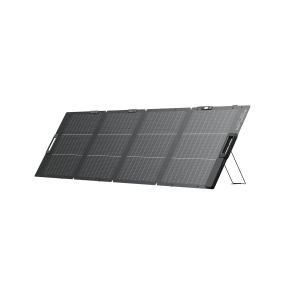

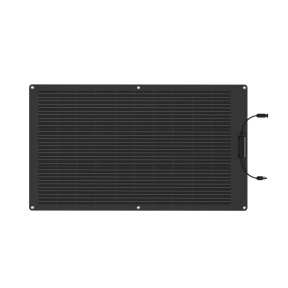

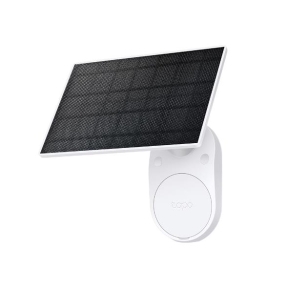

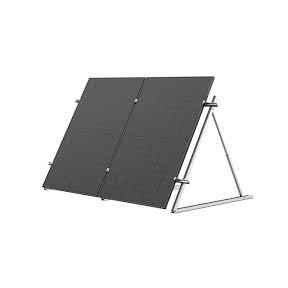


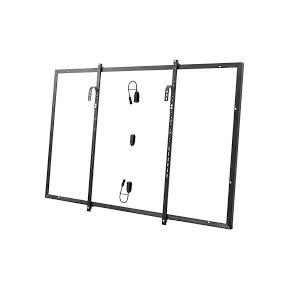

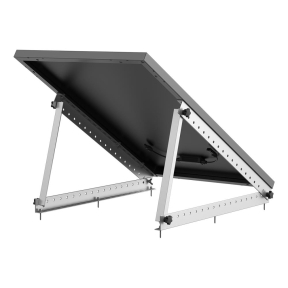

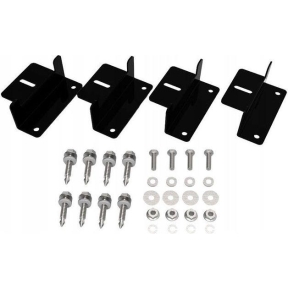
Solar Panels for hospitality buyers, retailers and home users
Solar Panels cover a range of products in this category. Solar installers buy in pallet quantities for projects; commercial property owners scale installations to roof area; homeowners pair with inverters and mounting systems at install time. The category serves hospitality buyers, retailers and home users who need consistent supply, predictable warranties, and established brand recognition for resale or installation.
Product range and brands
The category covers monocrystalline solar panels (the dominant modern format) in 350 to 600+ watt ratings, plus polycrystalline, bifacial, and specialty panels for residential, commercial, and off-grid solar PV installations. Established consumer and trade brands dominate the category, providing predictable replacement-part availability and manufacturer warranty support that smaller import brands often lack over a multi-year lifespan.
How to choose
Match panel wattage to roof space and inverter limits. Tier 1 manufacturer panels (Trina, JA Solar, Longi, Canadian Solar, REC) carry 25 to 30 year performance warranties. P-type and N-type cell technology differs in degradation rate; N-type TOPCon and HJT panels degrade slower over 25+ years. Match the specification level to the actual use case rather than over-buying. Mid-tier products from established brands typically offer the best balance of cost, durability, and resale support for B2B buyers.
Use cases and buyer segments
Solar installers buy in pallet quantities for projects; commercial property owners scale installations to roof area; homeowners pair with inverters and mounting systems at install time. Volume buyers should ask the B2B team for tier pricing and confirmed lead times before placing large orders, especially around seasonal peaks where stock turns quickly.
Frequently asked questions
- How many solar panels do I need?
- A typical EU home consumes 4000 to 8000 kWh per year. Each kWp of installed solar generates 800 to 1100 kWh per year depending on latitude and roof orientation. So 4 to 8 kWp is typical for full home self-consumption, requiring 9 to 20 modern panels at 400 to 450 W each.
- What is the difference between mono and bifacial panels?
- Monofacial panels generate from the front face only. Bifacial panels generate from both faces (the rear gains 5 to 30 percent depending on rear-side reflection). Bifacial panels suit ground mounts and white-roof commercial installations; on standard tile or metal roofs the bifacial gain is negligible and not worth the price premium.
- How long do solar panels last?
- Tier 1 panel warranties guarantee at least 80 percent rated output at 25 years; the typical real-world performance at 25 years is 85 to 90 percent. Most panels remain usable past 30 years with continuing performance, though efficiency falls below newer panel options. Replace inverters once or twice during the panel lifetime.
- Can I buy panels for off-grid use?
- Yes, the same panels work for grid-tied and off-grid systems. Off-grid systems pair panels with charge controllers (PWM or MPPT) and battery banks rather than grid-connected inverters. Choose panel voltage to match the system's battery bank nominal voltage for direct compatibility with charge controllers.