
Smart Home & IoT
277 results
Smart Home & IoT
277 results
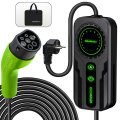
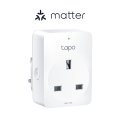
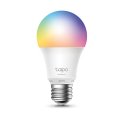
Browse the full Smart Home & IoT subcategory covering products for hospitality buyers, retailers, B2B procurement teams, and individual home buyers. IoT devices, sensors and services cover environmental sensors, smart hubs, and connected services. Smart energy and plugs cover smart sockets, energy meters, and plug-level metering devices. Smart lighting and bulbs cover bulbs and fixtures with Wi-Fi, Zigbee or Matter support.



Loading...
Smart home and IoT hardware: lights, plugs, sensors and connected devices
Smart home and IoT hardware is the part of the catalog where the platform decision matters more than the device decision. A smart bulb that does not talk to the platform a household already runs is just an expensive bulb. A motion sensor that does not feed an automation runs flat in months and gets ignored. This category groups smart lighting, smart energy and a broader IoT device group so a buyer can plan a coherent installation around one ecosystem before adding more devices.
Subcategories at a glance
IoT devices, sensors and services cover the connected sensors and gateways that feed home automation: motion, door, temperature, water leak, plus the hubs that bring them together. Smart energy and plugs cover the smart plugs and energy monitors that turn ordinary devices into scheduled or remote-controlled appliances. Smart lighting and bulbs cover the smart bulbs, light strips and switch replacements that bring lighting under app and voice control.
What actually matters when buying
Pick the platform first. Most current households default to one of three: a major voice-assistant ecosystem, a Matter-over-Thread mesh, or a vendor-specific app. Once the platform is fixed, every new device decision narrows: only buy products that work natively with the chosen platform. Mixing ecosystems is technically possible but fragments automations and makes the household harder to maintain after a year.
Frequently asked questions
Do I need a hub?
Depends on the protocol. Wi-Fi smart devices work without a hub but flood the home network. Zigbee and Z-Wave devices need a hub, and the hub is what makes the network reliable. Matter-over-Thread reduces hub dependence but does not eliminate it for most households.
Are these products covered by manufacturer warranty?
Yes; manufacturer warranty terms are on each product listing. Smart lighting and plugs commonly carry one to three years; sensors and hubs two years; some pro-grade devices longer.
Will smart bulbs work in any fixture?
Mostly yes, by socket type (E27, E14, GU10). Watch out for fixtures with built-in dimmers (a smart bulb plus an analog dimmer fights the dimmer protocol), and for enclosed fixtures where the smart bulb's electronics overheat. The product page lists compatible fixture types.