
Smart Energy & Plugs
123 results
Smart Energy & Plugs
123 results
Browse smart energy & plugs suitable for hospitality buyers, retailers and home users, covering products from established manufacturers across a range of price tiers. The category covers smart plugs (Wi-Fi and Zigbee), smart power strips, in-line energy meters, and whole-home energy monitors that track and control electrical loads with per-circuit detail. Match smart-plug wattage rating to the appliance load with a 20 percent margin.
Loading...

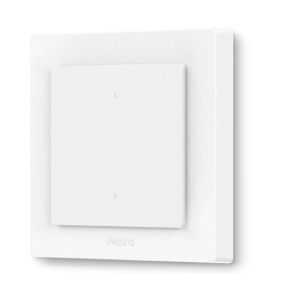

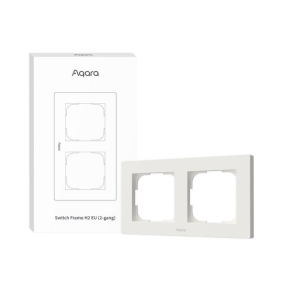

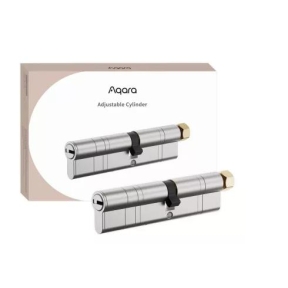

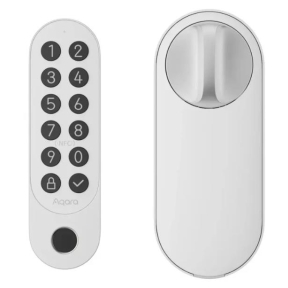

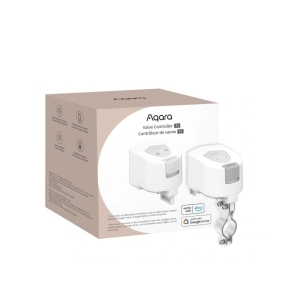

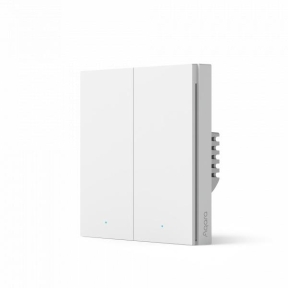


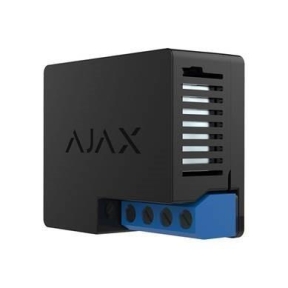

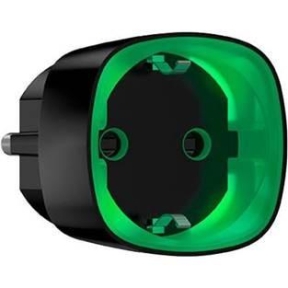


Smart Energy & Plugs for hospitality buyers, retailers and home users
Smart Energy & Plugs cover a range of products in this category. Office facilities teams use smart plugs to schedule devices and audit energy use; small businesses deploy them to non-essential loads; homeowners use them for routine control and monitoring. The category serves hospitality buyers, retailers and home users who need consistent supply, predictable warranties, and established brand recognition for resale or installation.
Product range and brands
The category covers smart plugs (Wi-Fi and Zigbee), smart power strips, in-line energy meters, and whole-home energy monitors that track and control electrical loads with per-circuit detail. Established consumer and trade brands dominate the category, providing predictable replacement-part availability and manufacturer warranty support that smaller import brands often lack over a multi-year lifespan.
How to choose
Match smart-plug wattage rating to the appliance load with a 20 percent margin. For high-current appliances (heaters, EV charging), use only smart plugs rated for the load; do not exceed the rated current under any circumstances. Smart plugs with energy metering reveal phantom and standby loads. Match the specification level to the actual use case rather than over-buying. Mid-tier products from established brands typically offer the best balance of cost, durability, and resale support for B2B buyers.
Use cases and buyer segments
Office facilities teams use smart plugs to schedule devices and audit energy use; small businesses deploy them to non-essential loads; homeowners use them for routine control and monitoring. Volume buyers should ask the B2B team for tier pricing and confirmed lead times before placing large orders, especially around seasonal peaks where stock turns quickly.
Frequently asked questions
- What wattage rating do I need?
- Standard smart plugs are rated 10A or 16A (2300W or 3680W at 230V). For most household appliances 10A is enough. For heaters, hobs, and EV charging, choose 16A models or dedicated higher-current solutions; never exceed the rated current. Verify the appliance label before plugging in to a smart device.
- Are smart plugs accurate for energy monitoring?
- Mainstream brand smart plugs with metering report energy use within 1 to 3 percent accuracy at typical household loads. They are not certified for legal metering (billing or sub-metering tenants), but are accurate enough for relative comparisons and identifying high-consumption devices. Match the meter rating to the load.
- Can I schedule smart plugs without internet?
- Wi-Fi smart plugs typically require cloud connection to schedule via the manufacturer's app. Zigbee or Matter-over-Thread plugs work locally with a local hub. For schedule reliability through internet outages, prefer locally-controlled smart plugs and run schedules from a local hub like Home Assistant or Apple HomeKit.
- Are whole-home energy monitors worth installing?
- For homes spending more than 1500 EUR per year on electricity, yes. Whole-home monitors (Sense, Shelly EM, Emporia Vue) detect device-level usage and reveal phantom loads. Installation requires an electrician for safe CT clamp placement around the main feed cable. Payback through behavioural changes typically runs 1 to 3 years.