
Readers
89 results
Readers
89 results
Access-control readers for offices, factories and restricted areas: 125 kHz EM and 13.56 MHz MIFARE / DESFire RFID readers, NFC and Bluetooth mobile credential readers, fingerprint and face recognition biometric readers, and combined card-and-PIN units. Compatible with major access platforms via Wiegand and OSDP interfaces, in indoor and IP-rated outdoor versions.
Loading...





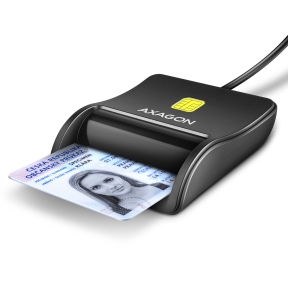

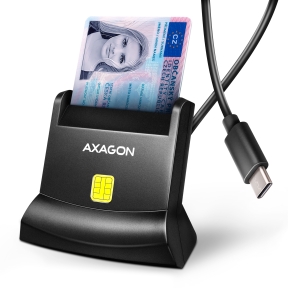



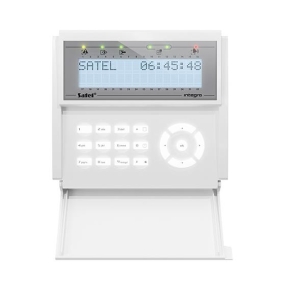

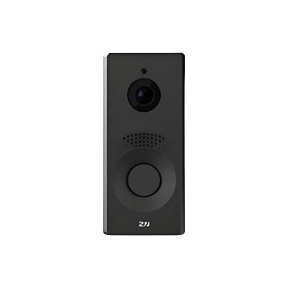

Card, RFID and biometric readers for access-controlled doors
The reader is the device users touch every time they enter a controlled area. Reliability matters more here than anywhere else in an access-control system; a flaky reader at a busy door produces frustrated users and a stream of complaints. The category covers the common technologies and form factors.
What this category covers
125 kHz proximity readers using EM and HID Prox cards; 13.56 MHz contactless smart card readers using MIFARE Classic, MIFARE DESFire and HID iCLASS; NFC and Bluetooth mobile credential readers that accept phones; fingerprint and face recognition biometric readers; and combined card-plus-PIN readers for higher-security doors.
How to choose a reader
Match the reader to the credential technology
The credential (card, fob or phone) determines the reader. 125 kHz EM cards are the legacy budget option; functional but no encryption. 13.56 MHz DESFire cards are the modern secure default with encryption. Mobile credentials on phones (NFC or Bluetooth Low Energy) are growing fast and remove the need for plastic cards entirely. For new installs, 13.56 MHz with mobile-credential support is the safe specification.
Decide between simple and biometric
Card readers are fast, cheap, well-understood, and rely on the cardholder not lending the card. Biometric readers (fingerprint, face) bind access to the person; they are slower in operation, more expensive, and raise data-protection considerations for storing biometric templates. For high-security doors and time-attendance use, biometrics earn their place.
Pick indoor or outdoor rating
Outdoor readers need IP65 minimum to handle rain and humidity; IP66 or higher for fully exposed locations. Indoor readers have no IP rating because they don't need one. Vandal-resistant casings (metal versus plastic) suit public-facing doors.
Specify the reader-to-controller interface
Wiegand has been the dominant interface for decades but lacks encryption between the reader and controller. OSDP (Open Supervised Device Protocol) adds encryption, bidirectional communication and tamper detection; the modern standard for new secure installs. Confirm the controller supports the chosen interface.
Key features to compare
Read range
Most contactless readers have a read range of 3 to 8 cm; long-range readers (1 to 5 metres) are used for vehicle gates and hands-free access. Specify the range to the use case; long-range readers cost more and may pick up unintended cards.
Tamper detection
Tamper switches in the reader's housing report any attempt to remove the reader from the wall. Standard on professional installs; useful for forensic value after security incidents.
Mobile credentials
Bluetooth Low Energy readers accept credentials from phones using the access provider's app. Removes the need for issuing physical cards, useful for visitor passes and contractor access. Most current professional readers support BLE alongside RFID.
What to check before buying
- Credential technology (125 kHz, 13.56 MHz, mobile)?
- Indoor or outdoor IP rating?
- Wiegand or OSDP interface?
- Card only, biometric only, or combined card-and-PIN?
- Mobile credential support for visitor and contractor access?
Frequently asked questions
What is the difference between 125 kHz and 13.56 MHz cards?
125 kHz EM cards are the older legacy technology, easy to clone with cheap tools; suitable for low-security applications. 13.56 MHz contactless smart cards (MIFARE DESFire, iCLASS) include cryptographic protection and are the modern secure default. New installs should specify 13.56 MHz; legacy installs can be migrated by replacing readers and re-issuing cards.
Can my phone be used as an access card?
Yes, with NFC or Bluetooth Low Energy mobile credentials. Most current professional access systems support phone-based credentials; the user installs the platform's app, the access manager issues a credential to the phone, and the phone replaces the card. Faster to issue, easier to revoke, and removes the cost of plastic cards.
Are fingerprint readers reliable in winter?
Cold and dry skin reduces fingerprint reader accuracy; gloves prevent reading entirely. Fingerprint readers suit indoor doors where users remove gloves naturally. For outdoor doors and dirty environments (workshops, kitchens), card readers are more practical.
How secure are face recognition readers?
Modern face recognition uses 3D depth sensing or infrared imaging that resists photo spoofing. Performance is excellent in good lighting; limited at night without IR illumination. As with all biometrics, store templates with care and follow local data-protection rules.
Can I mix readers from different manufacturers?
Yes, if they all use a standard interface (Wiegand or OSDP). The controller and management platform see them as standard readers. Mixing manufacturers is common for retrofit installs where cards from one vendor meet readers from another. For new installs, single-vendor systems integrate slightly better.