
Memory Cards & Readers
210 results
Memory Cards & Readers
210 results
Memory cards for cameras, drones, action cameras, dashcams, handheld game consoles and notebooks, plus the readers used to copy data from them onto a PC. The selection covers SD and microSD cards in different speed classes, CFexpress and CompactFlash cards for professional cameras, and single-format and multi-format readers that match the host port.
Loading...

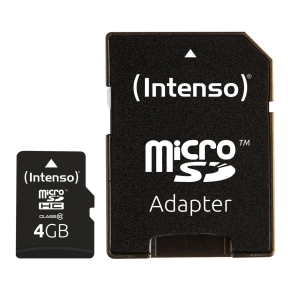

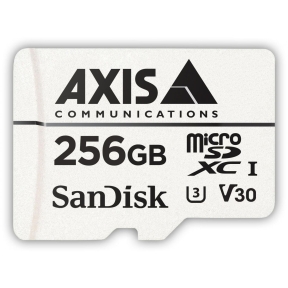

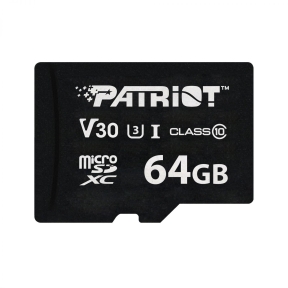

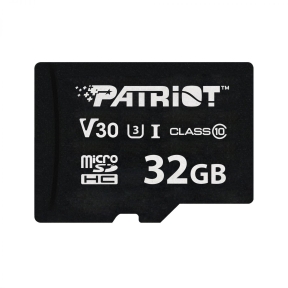

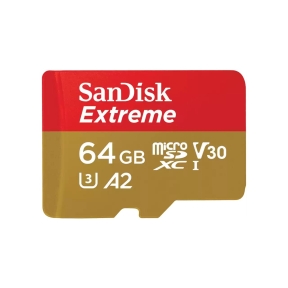
Category overview
Memory cards are the small removable storage used in cameras, drones, dashcams, handheld consoles and many specialized devices. The card's speed class and the host's compatibility decide whether the device records cleanly without dropping frames or corrupting files.
What this category covers
Standard SD cards and high-capacity SDXC cards for cameras and notebooks; microSD cards for action cameras, drones and phones; CFexpress Type A and Type B cards for current professional cameras; CompactFlash cards for older equipment; and the readers that go with each format.
How to choose a memory card
Match the speed class to the workload
SD cards carry several overlapping ratings. UHS speed class (U1, U3) and Video Speed Class (V30, V60, V90) are what matter for video. A V30 card handles 4K at typical bitrates; V60 and V90 are required for high-bitrate 4K and 6K or 8K recording. Photo bursts also benefit from higher speed classes.
Check device compatibility
Cameras list both the supported card type and the maximum capacity. An SDXC card may not work in older equipment limited to SDHC. CFexpress Type A and Type B are not interchangeable. The device manual is the authoritative reference.
Capacity is one of several factors
For cameras, capacity should fit a typical day of shooting plus margin, with multiple smaller cards often being safer than one large card. For dashcams and continuous-record devices, very large cards are useful but the speed class and endurance rating matter more.
Endurance matters for continuous-record use
Standard memory cards are not designed for the continuous overwrite cycles of dashcams and surveillance. High-endurance variants are sold specifically for these uses and last much longer in the same setting.
Key features to compare
UHS-I versus UHS-II
UHS-II SD cards have an extra row of pins and higher speeds but only at full performance in UHS-II hosts and readers. In a UHS-I device, a UHS-II card runs at UHS-I speed.
Card type and speed alignment
A fast card in a slow host is wasted; a slow card in a fast host is the bottleneck. The slowest part of card, host and reader sets the actual transfer rate.
What to check before buying
- Which exact card format and capacity does the device support?
- What speed class is required for the recording mode (resolution and frame rate)?
- Will the card be used in continuous-record applications that need a high-endurance variant?
- Does the workflow include a fast reader to match the card's rated speed?
Frequently asked questions
What does V30 mean on an SD card?
V30 is the Video Speed Class designation. It guarantees a minimum sustained write speed of 30 MB/s, which is the requirement for most consumer 4K video. V60 and V90 cards guarantee 60 MB/s and 90 MB/s respectively, needed for higher-bitrate professional video.
Is a faster card better even for slower devices?
A faster card will work in a slower device, but the device caps the actual write speed at its own maximum. The benefit appears later, when copying files off the card on a fast reader, or if the card moves to a faster device.
Why do my cards fail more often than expected?
Common causes are removing the card while the device is still writing, using a card not rated for the workload (especially in continuous-record dashcams), counterfeit cards from unauthorized sellers, or simply heavy use over years. Buy from authorized resellers and match the endurance rating to the use.
How do I tell genuine cards from counterfeits?
Counterfeit cards often look identical to genuine ones but show false capacity or fail under sustained load. Buy from authorized retailers, check the card's actual capacity with a verification tool such as F3 or H2testw on first use, and avoid suspiciously low prices for high capacities.
What is the difference between SD, SDHC and SDXC?
The three are generations of the SD standard. SD covers up to 2 GB, SDHC up to 32 GB, SDXC up to 2 TB. Newer devices read all three; older devices may only read up to SDHC. The card format used at the time of the device's release is usually a safe minimum.